6 Best Red Light Therapy Face Masks of 2026: Tested for Wrinkles, Firmness, and Adult Breakouts


The right light therapy mask can make a home routine simpler: one device for the look of fine lines, firmness, texture, uneven tone, and occasional adult breakouts. The difficult part is choosing between products that look similar while serving very different priorities.
Price was the concern I heard most often. Buyers wanted to know which visible results each light system can realistically support, whether a flexible mask will fit better than a rigid shell, and whether a premium device earns its price. Those questions matter because consistency drives the result. A technically capable mask still has to fit your face and your routine well enough to use several times a week.
I compared the six strongest candidates across range of skin benefits, evidence and transparency, comfort and fit, routine and controls, and value for money. There is a genuine best fit for each type of buyer. Luscent finished first as the broadest all-rounder. Shark placed second for blue light plus under-eye cooling, while Omnilux delivered the strongest simple flexible anti-aging routine.
To give you the right advice, we need to set something straight first.
I often encounter well-meaning "skintellectual" clients who come to me with backwards knowledge that can prevent them from seeing real results. Before we dive in, it is important we debunk these two major myths so you can choose the right mask for your skin:
✕ Myth 1LED alone can treat everything?
LED can support fine lines, tone, texture, firmness, and occasional breakouts. Deep-set wrinkles benefit from light that reaches further into the skin, which is why professional treatments often pair LED with laser. There's a reason laser-only masks exist. Cold laser treats deep wrinkles and visible aging, while LED covers a wider range of skin concerns.
✕ Myth 2At-home lasers will burn your skin?
The at-home laser in this comparison is cold and non-thermal, and most people feel little or nothing during a session. The hot ablative lasers used for surgery and resurfacing create controlled heat and require clinical recovery.
Now that we have that out of the way, I will tell you which mask won, why it won, and exactly where the others fall short.
Best Red Light Therapy Face Masks of 2026
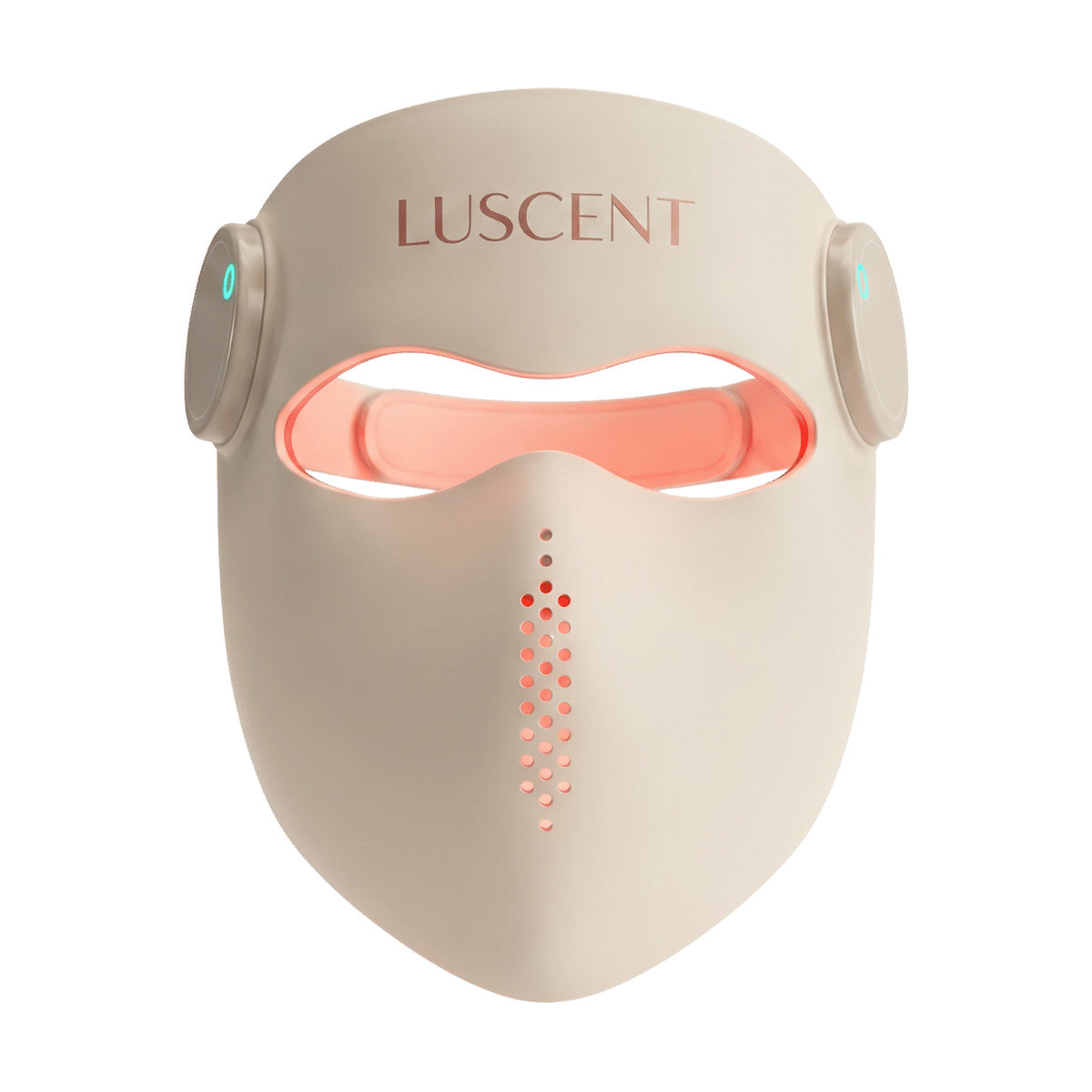 Best overall: Luscent DualLight Laser + LED Face MaskScored 9.5 of 10
↓
Best overall: Luscent DualLight Laser + LED Face MaskScored 9.5 of 10
↓
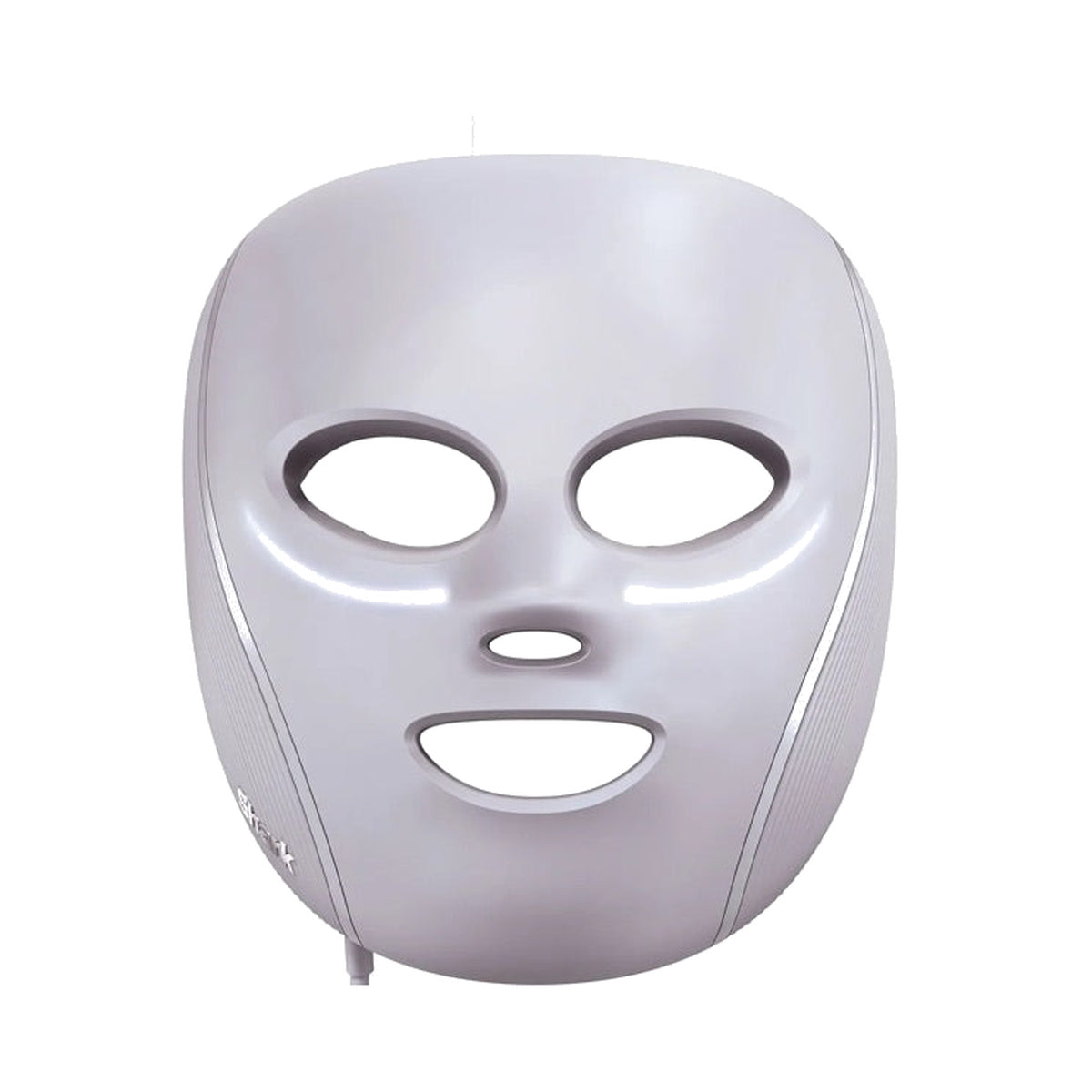 2nd place: Shark CryoGlowScored 9.0 of 10
↓
2nd place: Shark CryoGlowScored 9.0 of 10
↓
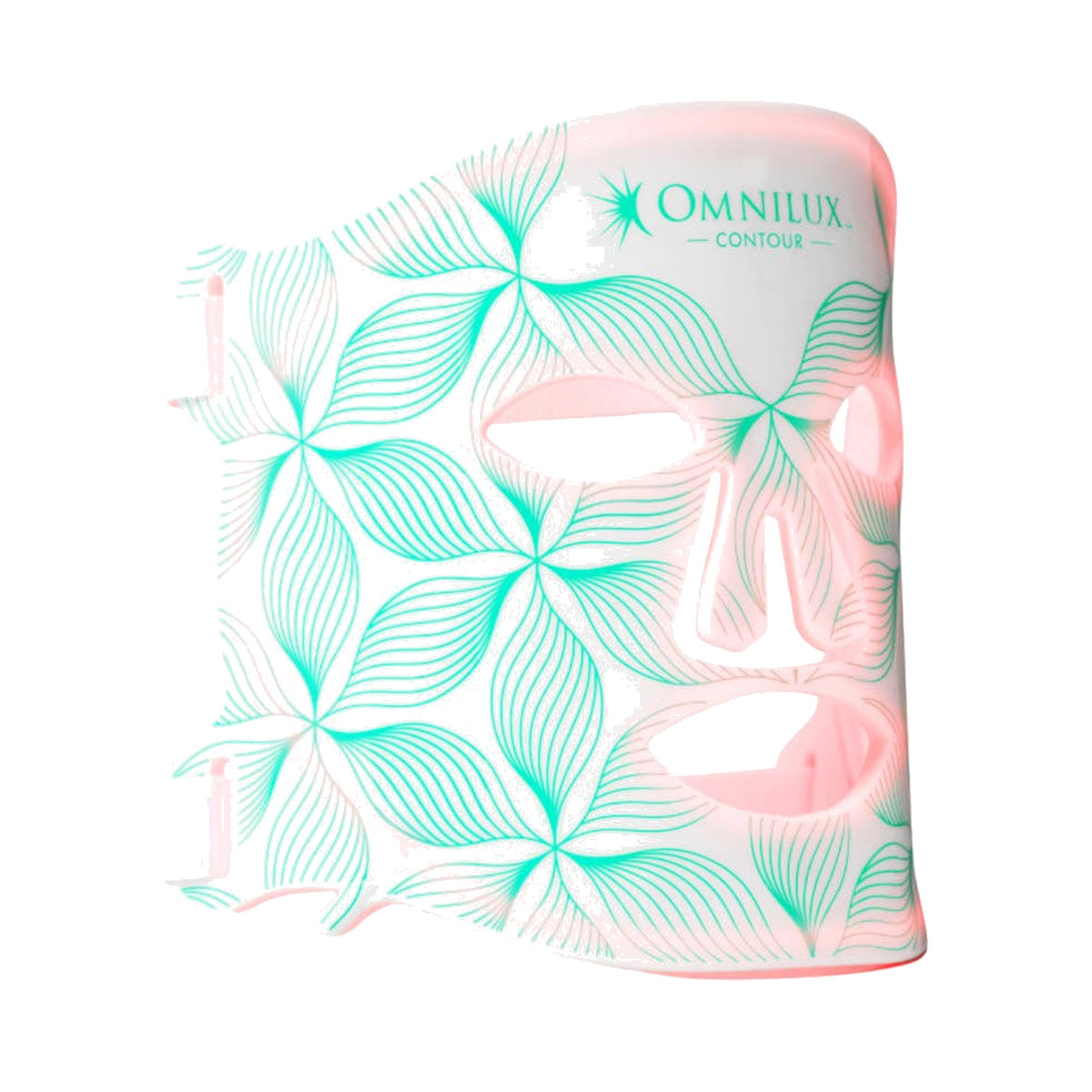 3rd place: Omnilux Contour FaceScored 8.8 of 10
↓
3rd place: Omnilux Contour FaceScored 8.8 of 10
↓
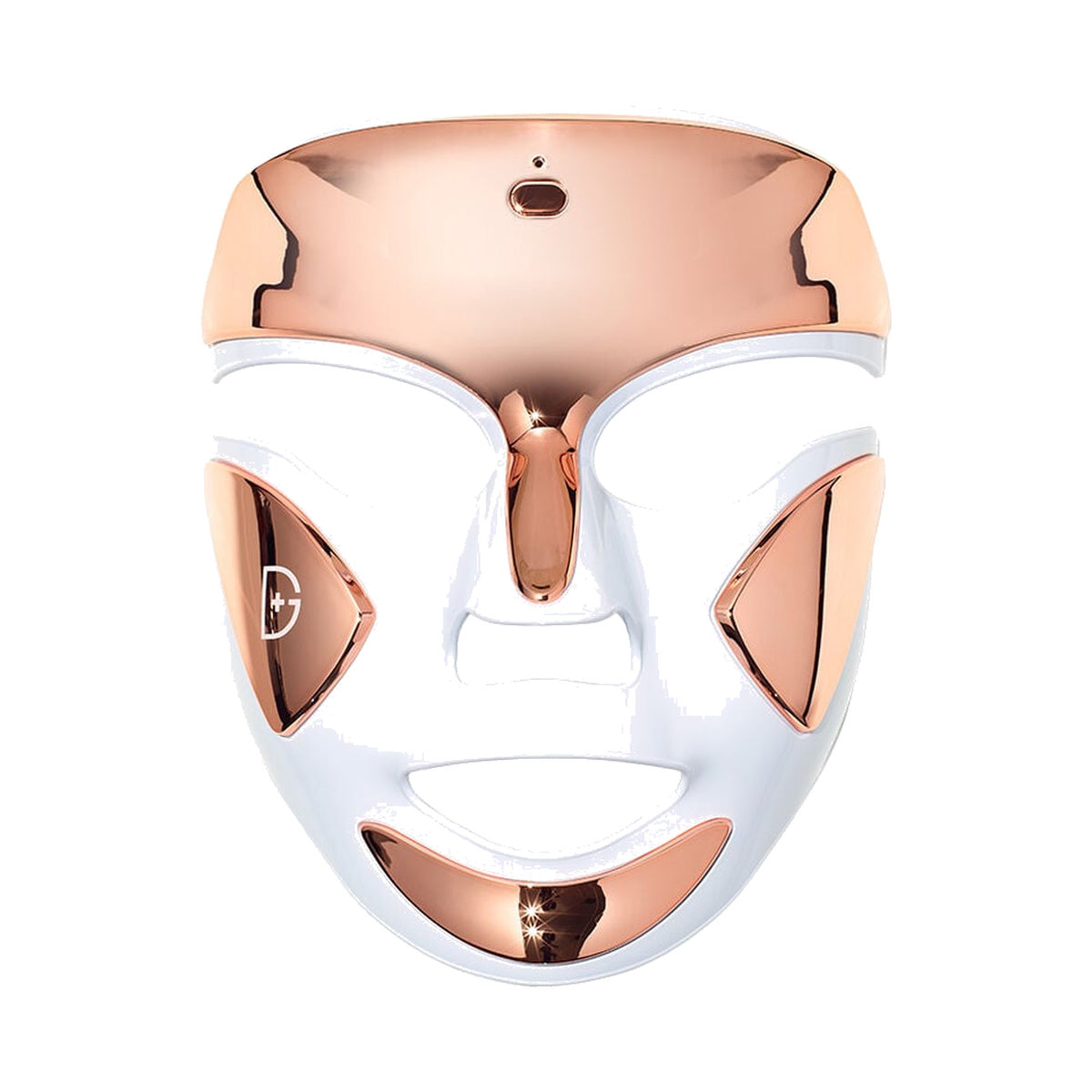 4th place: Dr. Dennis Gross DRx SpectraLite FaceWare ProScored 8.7 of 10
↓
4th place: Dr. Dennis Gross DRx SpectraLite FaceWare ProScored 8.7 of 10
↓
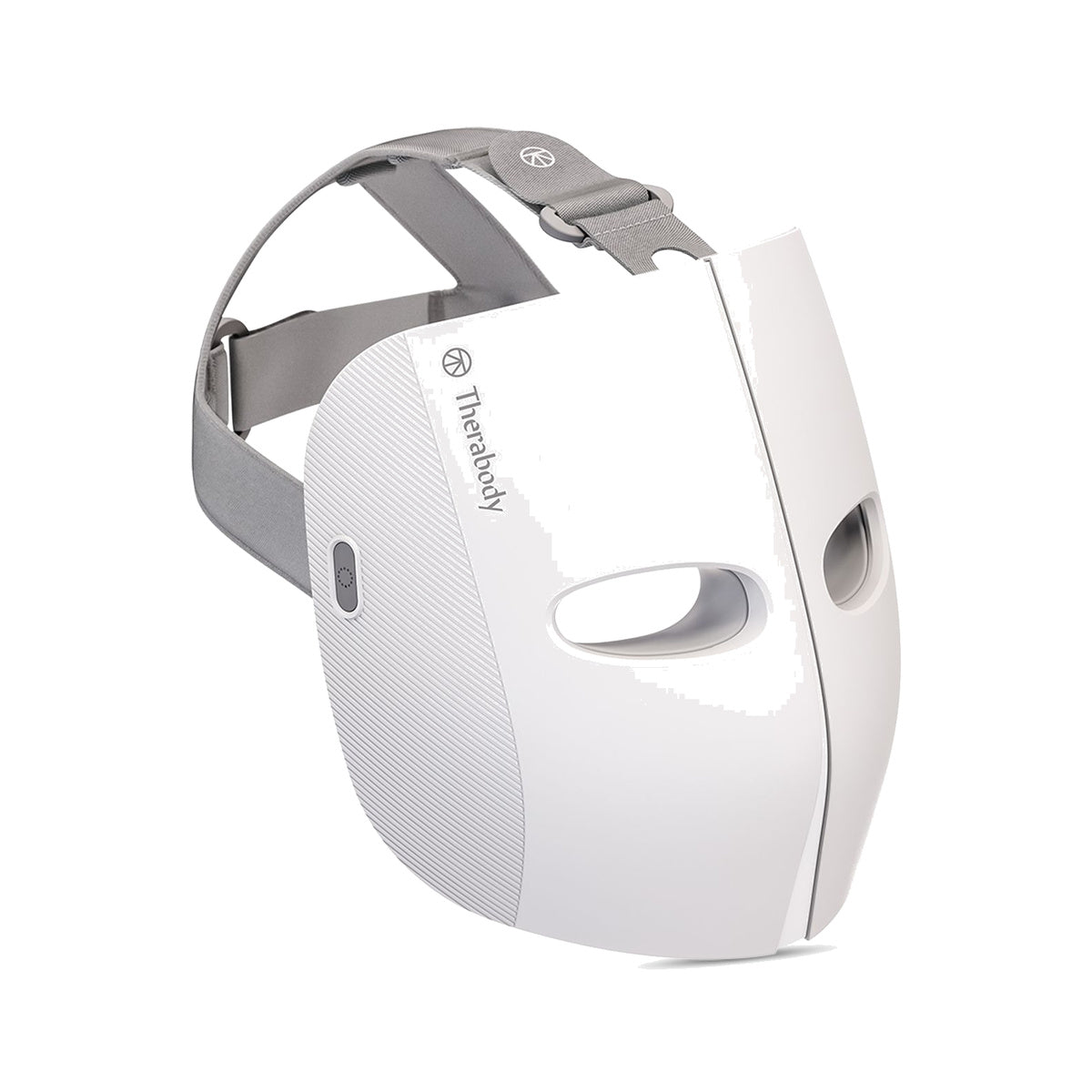 5th place: Therabody TheraFace MaskScored 8.6 of 10
↓
5th place: Therabody TheraFace MaskScored 8.6 of 10
↓
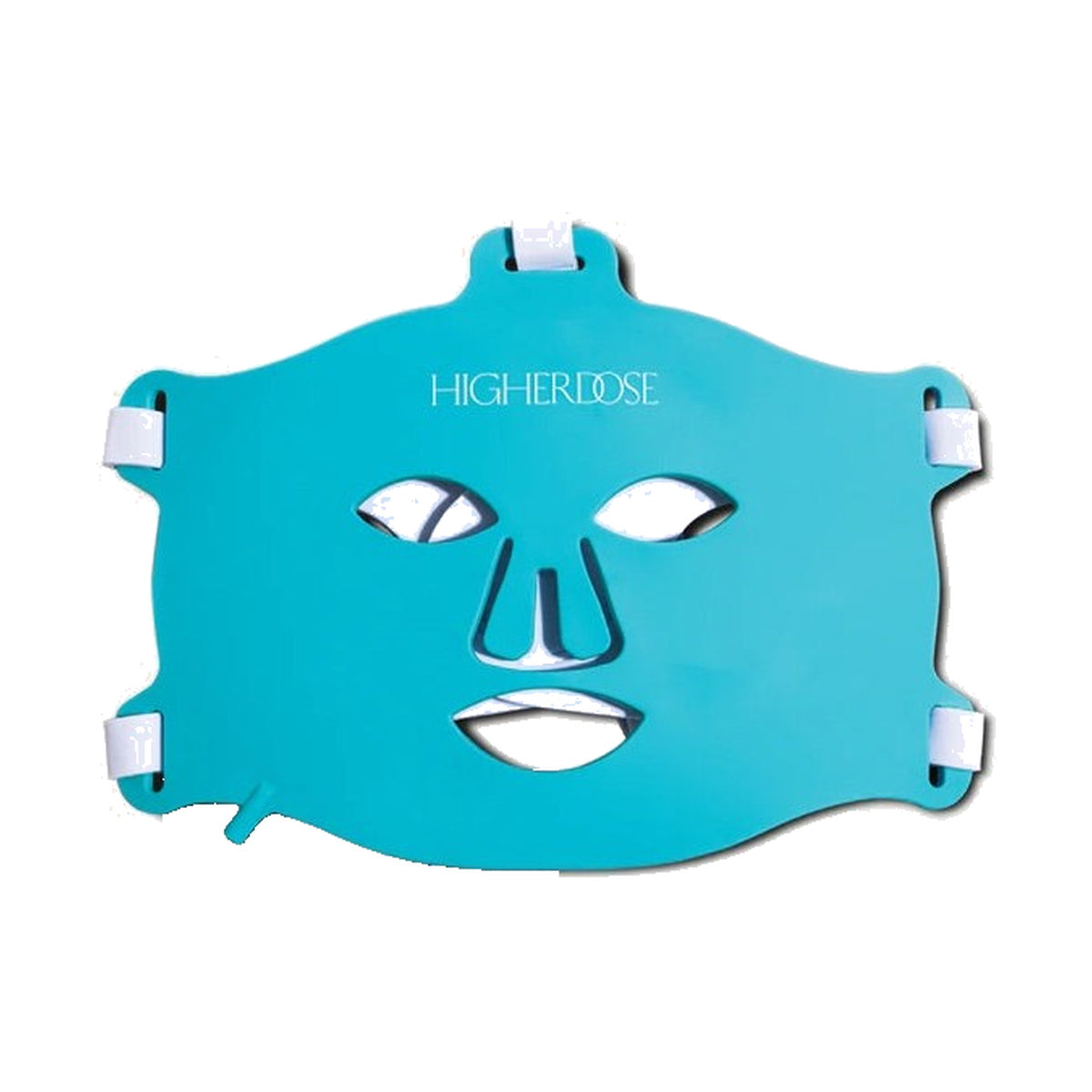 6th place: HigherDOSE Red Light Face MaskScored 8.5 of 10
↓
6th place: HigherDOSE Red Light Face MaskScored 8.5 of 10
↓
Comparison Table
| Mask | Score | Price | Best fit | Routine | Fit |
|---|---|---|---|---|---|
| Luscent DualLight Best overall | 9.5 | $379 | Clinical-grade skin therapy at home | 5, 10, or 15 minutes | Flexible silicone |
| Shark CryoGlow | 9.0 | $350 | Breakouts and under-eye cooling | 4 to 8 minutes | Rigid |
| Omnilux Contour | 8.8 | $395 | Simple anti-aging care | 10 minutes | Flexible silicone |
| Dr. Dennis Gross Pro | 8.7 | $455 | The shortest routine | 3 minutes | Rigid |
| TheraFace Mask | 8.6 | $650 | Breakout light therapy with vibration | 3 to 9 minutes | Rigid |
| HigherDOSE Face Mask | 8.5 | $349 | Soft fit and focused care | 10 or 20 minutes | Flexible silicone |
Scores average the five factors shown in every review. A higher score reflects a broader range of skin benefits. Your strongest match still depends on your main skin goal, preferred fit, and routine.
Luscent DualLight Laser + LED Face Mask
Pros
- More visible improvement from one routine: blue, red, near-infrared, and 1064nm light support clearer-looking skin, smoother lines, firmer-looking skin, and more even tone and texture.
- Deeper anti-aging for deep-set wrinkles: 164 cold-laser VCSELs carry 1064nm light deeper into the skin to support collagen where deeper wrinkles form, a benefit the LED-only finalists cannot provide.
- Breakouts and aging covered together: blue light supports occasional adult breakouts while red, near-infrared, and 1064nm serve visible-aging priorities.
- Even results across the whole face: 236 emitters cover the forehead, cheeks, jawline, and chin in the same session.
- Best facial coverage and safe for sensitive skin: flexible facial contour support with adjustable straps keeping light close to skin.
- Easier to keep using: cordless control and 5, 10, or 15-minute sessions let the routine fit around changing schedules.
- Tested effectiveness you can trust: a 12-week clinical study recorded improvements in wrinkles and elasticity, while separate output testing confirmed both light systems operated within the effective range.
- Two masks in one: the combined aging and blue-light modes remove the need to buy separate devices.
- LED plus laser for LED-only money: $379 costs less than Omnilux, Dr. Dennis Gross, and TheraFace.
- 2-year warranty: covers the device for two full years, with a separate 60-day money-back guarantee to try the routine at home.
Cons
- Online only: unavailable in physical retail stores, so you cannot try the fit before ordering.
- Controller only: routine adjustments stay on the handheld controller, with no mobile app.
- No added sensory features: keeps the emphasis on light therapy, with cooling and vibration left as optional comfort-oriented additions found in some masks.
Our thoughts on the Luscent DualLight
If your priority is getting real anti-aging results you can see, the Luscent DualLight is built to deliver them. It combines the proven anti-aging benefits of LED with deeper-reaching 1064nm cold-laser treatment for roughly the price of the LED-only masks in this guide. Its four modes gave it the broadest results profile in our comparison, covering clearer-looking skin, smoother fine lines, firmer-looking skin, more even tone and texture, and extra support for deep-set wrinkles in one routine. A 12-week clinical study recorded measured improvements in wrinkles and elasticity, while output testing confirmed both technologies operated within the effective range.
The test readings backed up that range. Its 72 LEDs delivered 30 mW/cm², while 164 VCSEL laser diodes delivered 50 mW/cm². Together, the 236 emitters spread useful light across the forehead, cheeks, jawline, and chin instead of concentrating the routine in one area.
The cold laser will not burn or heat your skin. DualLight uses cold, non-thermal 1064nm VCSEL light, completely different from the hot ablative lasers used for surgery or resurfacing. It is completely safe for home use as directed, involves no cutting or recovery time, and most people feel little or nothing during the laser mode.
The flexible fit helps every mode reach the skin consistently. The food-grade silicone follows facial contours, while broad adjustable straps keep the eye and nose openings aligned. Choose a 5, 10, or 15-minute session on the cordless controller and let the timer finish the routine.
The value is what separates it from the field. At $379, down from $899 at the time of this writing, it costs less than Omnilux, Dr. Dennis Gross, and TheraFace while adding the only 1064nm cold-laser system in this comparison. The 2-year warranty covers frequent use, and the 60-day money-back guarantee gives you time to judge the routine against your own skin. This is the broadest tested home mask here and the one I would recommend first.
Who it’s for
This one earns its top spot for a few readers in particular.
- The Multi-Concern Buyer: You want one mask for visible lines, firmness, tone, texture, and occasional adult breakouts.
- The Aging-Conscious User: You want red, near-infrared, and 1064nm modes in one full-face routine for visible-aging priorities.
- The Breakout-Conscious User: Occasional adult breakouts matter enough to make a dedicated blue-light mode useful.
- The Best-Value Buyer: You want the most capability for your money, with tested LED and cold laser setting a new value standard at the price of an LED-only mask.
- The Routine Optimizer: You value cordless use and the choice of 5, 10, or 15-minute sessions across a changing weekly schedule.
As of our last check on 21 July 2026, the Luscent DualLight was priced at $379, down from $899. Confirm current stock and price with the link below.
Shark CryoGlow
Pros
- Clearer-looking skin and visible-aging support: blue, red, and near-infrared modes cover occasional breakouts, fine lines, and firmness.
- Fresher-looking under-eyes straight away: chilled pads give the routine an immediate de-puffing benefit.
- Repeatable cooling placement: the rigid shell keeps the light and chilled pads in fixed positions around the eyes.
- Easy to fit into a morning: guided 4 to 8-minute presets make regular use easier.
- Strong value for a specialist: $350 is the second-lowest price in the finalist group.
Cons
- Less consistent contact across face shapes: the rigid shell cannot follow every cheek and jawline as closely as flexible silicone.
- Cooling stops at the under-eyes: the chilled treatment does not extend across the full face.
- Less support for deep-set wrinkles: the LED-only system has no 1064nm cold-laser mode.
Our thoughts on Shark CryoGlow
The Shark CryoGlow is the most visually and physically impressive mask in our lineup. It gives you the only under-eye cooling system of any mask we compared, with chilled pads positioned inside a rigid shell. From selecting a preset to feeling the cooling begin, the entire routine is tightly guided.
Its light routine also covers both occasional adult breakouts and visible-aging care. Blue light supports clearer-looking skin, while red and near-infrared support fine lines and firmness, all within short 4 to 8-minute presets.
The main limitation is breadth. Cooling stays under the eyes, the rigid shell cannot follow every face shape closely, and there is no 1064nm cold-laser mode for deeper wrinkle support. Choose Shark when immediate cooling matters most.
Who it’s for
The Shark leans heavily into the cooling and breakout experience. It is the perfect fit for:
- The Breakout-and-Puffiness Buyer: Mild adult breakouts and a tired under-eye area are both part of your weekly routine.
- The Time-Poor Morning User: A guided 4 to 8-minute preset makes consistent use easier.
- The Cooling-First Buyer: You value the immediate feel of chilled under-eye pads as much as the longer-term light routine.
As of our last check on 21 July 2026, the Shark CryoGlow was priced at $350, placing it in the lower tier for price.
Omnilux Contour Face
Pros
- Straightforward anti-aging support: 633nm red and 830nm near-infrared focus the routine on visible lines, firmness, tone, and texture.
- Comfortable close-to-skin coverage: 132 emitters sit across a flexible silicone face surface.
- Easy 10-minute routine: one complete program keeps regular use predictable.
- Travel-friendly comfort: the soft shell is easy to position, store, and pack.
- No settings to second-guess: one fixed program leaves almost nothing to configure.
Cons
- Fewer concerns covered: two wavelengths leave out blue-light breakout care and deeper 1064nm treatment.
- One routine only: the fixed program offers less flexibility than broader systems.
- Limited value at $395: the price sits close to devices with more treatment modes.
Our thoughts on Omnilux Contour Face
The Omnilux Contour Face puts an established anti-aging routine in your own home and removes the controls. It packs 132 emitters across a flexible silicone face surface, and a two-wavelength system with one 10-minute program lets you start each session without configuring anything.
Red and near-infrared keep the routine focused on visible lines, firmness, texture, and tone. That narrow brief makes the mask easy to understand and repeat.
The same focus is its main limitation. Two wavelengths leave blue-light breakout care and deeper 1064nm treatment to broader devices, and $395 sits close to masks with more modes. Choose Omnilux for a soft fit and one predictable anti-aging program.
Who it’s for
The Omnilux is tailored for a specific, consistency-focused user.
- The Anti-Aging Minimalist: Fine lines, firmness, texture, and tone are your main priorities, and extra modes add little value.
- The Flexible-Fit Buyer: You want soft silicone that rests close to the face without a rigid frame.
- The Routine Traditionalist: A fixed 10-minute program feels easier to follow than a menu of settings.
As of our last check on 21 July 2026, the Omnilux Contour Face was priced at $395, placing it in the mid tier for price.
Dr. Dennis Gross DRx SpectraLite FaceWare Pro
Pros
- Easiest routine to keep up: a complete session takes 3 minutes, the shortest in this guide.
- Breakout and aging care together: red, blue, and combined modes serve visible lines and occasional breakouts.
- No setup friction: one-button operation keeps every session straightforward.
- Added buying confidence: the device is FDA-cleared.
Cons
- Less even contact across face shapes: the rigid shell adapts less closely than flexible silicone.
- Less support for firmness and deeper wrinkles: there is no published near-infrared specification or 1064nm cold-laser mode.
- You pay for speed: $455 is high for buyers who only need one treatment mode.
Our thoughts on Dr. Dennis Gross FaceWare Pro
The Dr. Dennis Gross FaceWare Pro runs the two light modes many buyers ask for, red and blue, across the full face in just 3 minutes, and gets the fundamentals right. That can make the difference between regular use and a mask left in a drawer.
One-button operation is the practical strength. There is almost no setup, and FDA clearance adds an established regulatory signal.
The tradeoff is paying $455 for speed instead of treatment breadth. The rigid shell follows fewer face shapes closely, and the disclosed system has no published near-infrared specification or 1064nm cold-laser mode. Choose FaceWare Pro when the shortest possible routine matters most.
Who it’s for
The FaceWare Pro suits you if you want a straightforward complete routine without extra features to configure.
- The Time-Poor User: Three minutes makes the difference between regular use and a routine that slips.
- The Aging-and-Breakout Buyer: You want red and blue modes in one familiar device.
- The One-Button User: A fixed rigid shell and minimal controls feel easier than an adjustable system.
As of our last check on 21 July 2026, the Dr. Dennis Gross FaceWare Pro was priced at $455, placing it in the upper tier for price.
Therabody TheraFace Mask
Pros
- Broad, even LED coverage: 648 LEDs deliver light across the full face.
- Breakout and glow routines in one mask: blue, red, and red-plus-near-infrared programs serve different priorities.
- Short sessions that are easy to repeat: guided routines run for 3 to 9 minutes.
- Easy to compare before buying: the emitter count, modes, and session details are clearly published.
- The most immersive session here: vibration around the brow and scalp adds immediate sensory feedback.
Cons
- Highest price in the group: $650 is a large premium for light plus vibration.
- Bulkier rigid design: the larger fixed shell cannot follow every face shape as closely as flexible silicone.
- Less support for deeper wrinkles: the premium pays for vibration and LED scale and leaves out a 1064nm cold-laser mode.
Our thoughts on the TheraFace Mask
The TheraFace Mask wraps a combined light and vibration routine around the face, and it is well built for the job. With 648 LEDs inside a rigid shell, it delivers blue, red, and red-plus-near-infrared programs while vibration works around the brow and scalp.
That feedback makes each session feel active from the start. It can make the routine more appealing for someone who values the experience as much as the longer-term skin benefits.
The main limitation is value. The $650 price is the highest in the group, the rigid shell cannot follow every face shape closely, and the system has no 1064nm cold laser for deeper wrinkle support. Choose TheraFace when vibration is worth the premium to you.
Who it’s for
The TheraFace is built for a specific, sensory-led user.
- The Sensory-Routine Buyer: Vibration around the brow and scalp makes the session more appealing and easier to repeat.
- The Premium-Hardware Buyer: Detailed specifications and a polished rigid build matter enough to support the highest price here.
- The Guided-Program User: You prefer short preset routines over choosing separate timers and intensity settings.
As of our last check on 21 July 2026, the Therabody TheraFace Mask was priced at $650, placing it in the upper tier for price.
HigherDOSE Red Light Face Mask
Pros
- A comfortable dose you can compare: the brand publishes 50 mW/cm² total stated irradiance.
- Focused visible-aging care: 630nm red and 830nm near-infrared support lines, texture, tone, and firmness.
- Soft contact across the face: flexible silicone rests close to the skin without a rigid shell.
- Even light inside a flexible design: 66 dual-core bulbs contain 132 diodes across the mask.
- Lowest finalist price: $349 makes it the most affordable option in the top six.
Cons
- Fewer skin concerns covered: two wavelengths serve a narrower brief than broader systems.
- Breakouts need another solution: there is no blue-light mode.
- More time per routine: the 20-minute option is the longest guided session in the group.
- No support from a deeper wavelength: the system stops at red and near-infrared light.
Our thoughts on HigherDOSE
The HigherDOSE Red Light Face Mask runs the two wavelengths its anti-aging routine is built around, 630nm and 830nm, across a flexible full-face surface, and gets the fundamentals right. At $349, it is the lowest-priced finalist and keeps the routine focused on visible lines, texture, tone, and firmness.
The fit is its strongest practical advantage. The brand publishes 50 mW/cm² total stated irradiance, and a soft mask can be easier to keep using when a rigid shell would stay in the cupboard.
The limitation is a narrower routine. There is no blue light for occasional adult breakouts, no 1064nm laser for deeper wrinkle support, and the 20-minute option is the longest guided session here. Choose HigherDOSE for soft contact and a focused anti-aging routine at the lowest finalist price.
Who it’s for
The HigherDOSE is tailored for a specific, comfort-led user.
- The Comfort-First User: Soft silicone is the main requirement because rigid masks feel too restrictive.
- The Anti-Aging Minimalist: Your routine is centered on red and near-infrared light for visible lines, texture, and tone.
- The Value-Focused Buyer: You want the lowest current finalist price and can accept a narrower two-wavelength system.
As of our last check on 21 July 2026, the HigherDOSE Red Light Face Mask was priced at $349, placing it in the lower tier for price.
Our Top Pick: Luscent DualLight Laser + LED Face Mask
Every mask in this guide went through the same comparison: range of skin benefits, evidence and transparency, comfort and fit, routine and controls, and value for money. The Luscent DualLight finished first because it won the two measurements that decide how much one routine can do. Its four modes span 460nm blue, 665nm red, 850nm near-infrared, and 1064nm deep-infrared light, and it publishes separate output figures of 30 mW/cm² for its LEDs and 50 mW/cm² for its VCSEL laser diodes.
Those numbers decide which concerns the mask can serve and how much useful light reaches the skin. Blue supports a routine for occasional adult breakouts, red and near-infrared sit at the center of visible-aging care, and 1064nm adds deeper support for deep-set wrinkles beyond the LED-only finalists. A total of 236 emitters carry that range across the forehead, cheeks, jawline, and chin in one session. Daily use stays straightforward: put it on, choose 5, 10, or 15 minutes, and let the cordless controller run the session. That ease matters because visible skin changes come from people who keep showing up. The genuine tradeoff is setup: four modes and three timers are managed on the handheld controller, with no mobile app.
The price supports the decision. At $379, down from $899 at the time of this writing, it costs less than Omnilux, Dr. Dennis Gross, and TheraFace while adding a blue mode and the only 1064nm VCSEL laser system in this comparison. It also backs frequent use with a 2-year warranty. The 60-day money-back guarantee gives you two months to run the routine against your own skin priorities and let the mirror make the final call.
Six masks made the final comparison. The DualLight is the one I would keep.
What Is a Red Light Therapy Face Mask?
A red light therapy face mask is a wearable shell of light emitters that gives off specific kinds of light. Blue light works at the surface, where acne-associated bacteria contribute to occasional inflammatory breakouts. Red and near-infrared light support the processes behind collagen and visible repair, which is why they sit at the center of routines for fine lines, firmness, texture, and tone. Some systems add 1064nm deep-infrared light for a deeper-reaching mode beyond standard LED-only masks. Your cells absorb that light and use it to produce more cellular energy, supporting repair and collagen activity and showing up over weeks of regular use as smoother-looking lines, firmer-looking skin, more even tone and texture, and fewer occasional breakouts. The reason a mask beats holding a panel in front of your face: it keeps the light close and aligned across your forehead, cheeks, jawline, and chin, so the same areas receive the session each time.
An even fit beats the tightest fit. Large gaps and a shifting shell change which areas receive the light from one session to the next, which means a less consistent dose and slower visible change. Adjust the mask so it stays aligned across your forehead, cheeks, jawline, and chin without painful pressure.
Benefits of Red Light Therapy Face Masks
Smoother-looking fine lines and firmer-looking skin
Red and near-infrared light sit at the center of an aging-focused routine and support the processes behind collagen and visible repair. The most useful device is one that covers the full face evenly and stays comfortable enough for regular use.
More even-looking skin texture and tone
These priorities often appear beside fine lines, so one red-plus-near-infrared routine can serve several visible concerns. Luscent adds adjustable modes, while Omnilux and HigherDOSE keep the plan focused.
Support for mild adult breakouts
A dedicated blue-light mode is the important differentiator. Luscent, Shark, Dr. Dennis Gross, and TheraFace include blue light alongside aging-focused modes, making them the relevant finalists when occasional inflammatory breakouts are part of the brief.
A simpler routine you can repeat at home
Timed programs remove guesswork. Dr. Dennis Gross leads on speed at 3 minutes, Shark adds short guided presets, and Luscent offers 5, 10, or 15-minute cordless sessions for a routine that can change with the day.
How to Choose
How much useful light reaches your skin. This is one of the numbers that decides how much treatment you receive per session. Look for output measured at the skin and disclosed separately by light type. A mask with published output and even coverage gives you something real to compare.
The wavelengths matched to your concern. Red and near-infrared are the core pair for visible lines, firmness, texture, and tone. Add blue when occasional inflammatory breakouts matter. Add 1064nm when you want the deepest wavelength in this guide. More modes earn their price when each one serves a result you plan to treat.
The fit and timer you will keep using. Visible change comes from weeks of regular sessions. Flexible silicone follows facial contours, while rigid shells maintain fixed spacing and support features such as cooling or vibration. Choose the design and session length you can wear comfortably through every scheduled routine.
Warranty and trial length. Skin changes take time, so the device has to survive frequent use and give you enough time to judge it. A longer warranty protects the routine, and a 60-day trial gives you a meaningful window to compare photographs taken in the same lighting.
Red Light Therapy Face Masks That Didn't Make Our Top 6
More than 20 masks were reviewed before the six finalists were selected. These credible alternatives missed the ranking because another finalist served the same buyer more clearly.
CurrentBody Skin LED Mask Series 2. A strong flexible anti-aging alternative with three aging-focused wavelengths and clearly published output.
Qure Light Therapy Mask. A plausible fit for buyers who want short sessions and app-controlled treatment zones.
JOVS 4D Laser Light Therapy Mask. A premium laser-led option for buyers seeking that specific format.
The Light Salon Boost, MZ Skin, Shani Darden by Déesse, FOREO FAQ, Maysama PRANA, SolaWave Wrinkle Retreat Pro, Skin Gym LED Pro, Silk'n LED Face Mask Pro, Priori UNVEILED, Project E Beauty, and Glotech. Each has a reasonable audience. The six finalists offered stronger current comparison value or a clearer specialist position.
The Questions I Get Asked Most
Follow the manufacturer schedule consistently for 8 to 12 weeks. Photograph your skin in the same lighting because gradual changes in tone, texture, and visible lines are difficult to remember accurately.
Look for a dedicated blue-light mode alongside red light. Blue-light home devices are designed for mild inflammatory acne. Persistent or severe acne needs a dermatologist-led plan.
Flexible silicone follows more face shapes and can feel softer. Rigid masks support fixed optical spacing, cooling, vibration, and compact hardware. The strongest choice is the one that sits evenly and remains comfortable for the full session.
Clearance is a useful regulatory signal for the device and its intended use. Published wavelengths, instructions, fit, warranty, and realistic claims still matter when comparing the complete product.
By Dr. Lisa Garner · Dermatologist · 14 years in clinical and cosmetic dermatology
Lisa has spent 14 years in clinical and cosmetic dermatology, with a focus on light-based skin treatments.